THE DESIGN
FACTORY
PREPARED FORPolicyWise for Children & Families
Explore the website

BRAND IDENTITY & WEBSITE REDESIGN

A clearer position.
A stronger
public presence.

Turn PolicyWise’s strategic direction into a brand people understand, content they can use, and a website staff can confidently maintain.

PolicyWiseRESEARCH / PRACTICE
A shared question.
A stronger
starting point.

A conversation guide for evidence-informed decisions

Hands reviewing information together
ILLUSTRATIVE TITLE & DESIGN / NOT A PUBLISHED REPORT

ONE CONNECTED SYSTEM / BRAND · CONTENT · WEBSITE

PROPOSED PROFESSIONAL FEECAD $138,000
PROPOSED LAUNCH8 March 2027
ACCOUNTABLE PRIMEThe Design Factory
POST-LAUNCH SUPPORT90 days
A SHORT INTRODUCTIONThe thinking, in motion.50 seconds

A quiet introduction to the approach. All messages appear on screen.

Read the transcript

PolicyWise. Strategy into possibility.

Make the strategy clear. Brand, content and website, working together.

Start with people. Listen, test and connect the experience to real tasks.

Make knowledge useful. Clear entry points. Sources and context intact.

Put staff in control. Preview, review and confidently publish.

One accountable team. The Design Factory. Ari Raphiel and Sederrick Raphiel.

Explore the proposal. The idea. The evidence. The plan.

Working conceptTry the journeys and demonstrations now.
Included deliveryThe proposed scope, fee and acceptance plan.
Discovery validationAudience findings, final identity, tools and approvals.

01 / THE OPPORTUNITY

Make the strategy
visible in everyday use.

PolicyWise combines consulting with independent research. The brand needs to express that shared purpose while helping different audiences find their way.

Children coming together around a colourful parachute on a green field
People at the heart.A purpose that carries through every touchpoint.
01

A new strategic direction

The briefThe RFP calls for alignment of identity, messaging and digital presence after strategic planning.

Our responseTranslate the strategy into a positioning statement, message hierarchy and coherent visual system.

How we would check itTest whether participants can explain PolicyWise’s contribution and recognize its relevance.

02

More than one reason to visit

The briefConsulting, research and existing resource platforms serve different audience needs.

Our responseOrganize journeys around research support, collaboration and practical knowledge, then connect existing platforms.

How we would check itRehearse finding a service, understanding a project and reaching an appropriate resource.

03

A brand that staff can sustain

The briefThe brief includes governance, editable templates, CMS training and internal adoption.

Our responsePair controlled templates with named ownership, review rules and useful staff guidance.

How we would check itHave staff complete representative publishing and brand-application tasks before handoff.

Proposed responses to the RFP (opens in a new tab) and FAQ (opens in a new tab). The unpublished Strategic Direction and prior interest holder research become inputs at kickoff. We will build on that work and test the gaps. Discovery includes a brand, website, analytics and digital-tool audit, plus a focused comparison of peer and competitor positioning. The output identifies audience needs, points of distinction and evidence for the positioning decision.

02 / BRAND IN PRACTICE

Evidence with people
at its heart.

A preliminary territory to test: a confident research voice with room for human context. One system carries the conversation from a report to a presentation, a social post and the website.

ILLUSTRATIVE DIRECTION / SUBJECT TO DISCOVERY & VALIDATION

PolicyWiseRESEARCH / PRACTICE
A shared question.
A stronger
starting point.

A conversation guide for evidence-informed decisions

Hands reviewing information together
ILLUSTRATIVE TITLE & DESIGN / NOT A PUBLISHED REPORT
PolicyWiseDISCUSSION GUIDE / 01
Start with the question.
Make room for the people.

01 / PURPOSEWhat decision are we supporting?

02 / PERSPECTIVEWhose experience needs to be heard?

03 / POSSIBILITYWhat could we learn together?

ILLUSTRATIVE PRESENTATION / SAMPLE FACILITATION CONTENT
PolicyWise
A shared question.
New possibilities.

People at the heart.
Evidence in the conversation.

ILLUSTRATIVE SOCIAL APPLICATION
Information being reviewed collaboratively

PRELIMINARY POSITIONING

A partner in turning complex questions into useful knowledge.

PolicyWise connects research, data and community experience to help organizations strengthen the systems supporting children, youth and families.

VALUE PROPOSITION TO TEST

Bring the question.
Build understanding together.
Find a useful next step.

The PolicyWise name is settled; renaming is excluded. This concept retains the official logo, while commissioned identity work can significantly evolve it where discovery and strategy support that choice. Commissioned identity work explores three strategic directions, selects one and includes two consolidated refinement rounds.

STRATEGY INTO EXPERIENCE

One purpose.
Different reasons to arrive.

Choose an audience to follow a proposed decision from message to website journey and everyday brand use.

Audience hypotheses for discovery. Sample messages and applications.

Selected audience: Commissioning an engagement

THE QUESTION

Can you help us evaluate a program and decide what to do next?

Message to test
Start with your decision. Build the evidence to support it.
Evidence the reader needs
Relevant methods, an understandable collaboration process, and a project that shows the expertise in practice.
Experience decision
Name the service early. Put evidence of the work beside the invitation to talk.

Services → research & evaluation → relevant work → contact

Try the service journey
PolicyWiseREPORT OPENING

The question. The evidence. The decision ahead.

ILLUSTRATIVE APPLICATION
What holds the system together

Lead with the decision context; retain methods, qualifications and source links.

The usability task

Find evaluation support, describe how PolicyWise would work with you, and identify the next step.

What we would observe

Observe first click, task completion, uncertainty and the participant’s explanation of the service.

How would we test the three internal operating strands?

Action-Ready Research, Strategic Initiatives and Accelerated Advocacy describe PolicyWise’s internal operating model. Public navigation is a discovery decision.

Compare an audience-led sitemap with a strand-led alternative using the same service, partnership and resource tasks. Discuss label comprehension in interviews and test early navigation with three participants. Record the rationale with PolicyWise before detailed production; validate the resulting journeys in three later sessions.

Choose the structure people understand. Preserve the strategy behind it even if its internal labels do not become menu items.

A voice people can use.

Clear, with substance

“Explore what the research can help you understand.”

Explain the purpose before the method; keep qualifications and sources intact.

Collaborative, with direction

“Start with your question. We’ll identify the right approach together.”

Invite a conversation without assuming the answer.

Human, with care

“People’s experiences belong in the conversation alongside the data.”

Recognize context and avoid reducing a community to a statistic.

The selected direction will be documented as an everyday system: positioning, voice, identity, templates and practical rules for staff.

03 / LISTENING & LEARNING

Every conversation
should inform a decision.

Focused remote engagement during Alberta business hours. Existing research shapes the questions so we spend time learning what is still unknown.

A small group considering information together at a laptop
Start by listening.
12

Purposeful interviews

Four staff, two board members and six external partners or clients. Explore perception, useful language, credibility and audience priorities.

02

Working sessions

Two 90-minute workshops, up to eight participants each. Resolve positioning choices and validate the selected direction.

06

Usability sessions

Three early prototype sessions with representative service seekers, partners and resource users, followed by three validation sessions before release. Test labels, comprehension and task completion; resolve findings before the next decision gate.

TDF prepares prompts, schedules sessions and delivers an interest holder engagement summary: themes, differences between audiences, unresolved questions and recommendations linked to brand and website decisions. PolicyWise helps select participants and makes introductions. Offer accessible meeting formats, prompts in advance, breaks, written responses and a choice about recording. Obtain consent and avoid unnecessary personal information.

See how an insight becomes a decision

HYPOTHETICAL EXAMPLE / NOT A RESEARCH FINDING

Possible observation: participants describe overlapping services using different terms.

Method: code interview notes into a theme matrix, retain conflicting perspectives and check the interpretation with PolicyWise.

Proposed decision: test audience-language service labels and a shared message hierarchy.

Validation: ask participants to explain the difference and find the relevant service. Record the decision owner and rationale.

Community-specific Indigenous engagement protocols and any specialist facilitation are planned with PolicyWise and the relevant communities before recruitment. A small sample does not represent every community.

04 / CONTENT THAT WORKS

Clear enough to enter.
Precise enough to trust.

Publication-ready content is a substantial workstream. We write for the person making a decision while preserving the meaning, qualifications and source behind the work.

Translucent teal and green folders with printed research materials on a sunlit desk
From complex to clear.BRAND / CONTENT / CONFIDENCE

SOURCE EXCERPT / POLICYWISE PROJECT OVERVIEW

“Sharing the right information, in the right way, can support more informed referrals.”
Read the source project overview ↗ (opens in a new tab)

PROPOSED ENTRY POINT / SERVICE PROVIDER AUDIENCE

Explore how responsible data sharing can support referrals.

Explore published learning from linked-data research in British Columbia and a collaboration pilot in Calgary. Read each report with its methods and context in view.

Explore the research story

THE PAGE BEHIND THE PAGE

From source material
to something ready to publish.

A worked editorial brief for the youth homelessness research page. These are proposed production checks; the concept has not received PolicyWise subject-expert approval.

READERSocial-service and research partners
PAGE PURPOSEUnderstand the work and reach its sources
CONTENT DECISIONRevise and organize existing material

ILLUSTRATIVE WRITING SAMPLE

Connecting knowledge to better-coordinated support

Young people may encounter several support systems on their path through homelessness. PolicyWise's work brings two distinct perspectives to the question of how services can respond more coherently.

Two settings. Distinct evidence.

In British Columbia, linked-data research examines childhood service-use patterns associated with later homelessness. The report helps readers consider where prevention efforts could focus. An association does not establish that a particular service or experience caused homelessness.

In Calgary, a collaboration pilot with two community agencies explores the practical work of sharing information responsibly. Its published learning offers a starting point for organizations considering a partnership, with attention to purpose, risk, people, capacity and sustainability.

Read the studies separately to understand their methods, settings and limits. Use the published reports to inform discussion about your community's needs; they do not provide a universal implementation plan.

Read the original project overview and reports ↗

Illustrative TDF writing sample based on PolicyWise's published project overview. Subject-expert approval, current project status and final source verification remain required before production publication.


01The brief and content structure

Reader question: What can we learn from this project about more coordinated support for young people?

Page outline: plain-language overview; separate BC and Calgary study summaries; methods and context; published learning; interpretation boundaries; collaborators; original reports.

Writing rule: keep geography, study populations, publication dates and the distinction between association and causation intact. The headline invites interest; the body carries the qualifications.

02Copy and source verification

Proposed summary: Explore published learning from linked-data research in British Columbia and a collaboration pilot with two Calgary agencies. The work offers different perspectives on prevention and service coordination; each source has its own methods and context.

TDF editorial checks: verify report titles and dates, preserve links, identify the source for each factual statement and remove unsupported implications.

PolicyWise subject-expert review: validate meaning, terminology, attribution, current project status and suitability for the intended reader. Return one consolidated review with a named decision owner.

03Accessible content and search representation

Use meaningful headings, descriptive report links, readable HTML summaries and image alternatives that explain the image’s purpose. Keep essential information available outside animation and images.

Draft a unique page title and description. Represent authors, organizations, dates and research outputs accurately in visible content and any corresponding structured data. The proposal concept stays excluded from indexing; production indexing is a launch decision.

04Acceptance and ongoing ownership
  • The subject expert approves facts and the page owner approves the final copy.
  • All retained source and document links resolve to their intended destinations.
  • Keyboard, text enlargement, reading order and mobile checks are recorded.
  • The published page matches the accepted copy and migration inventory.
  • A content owner, review trigger and revision history are assigned.

Change control: new findings, a changed source or a substantive rewrite return to review. Routine metadata corrections follow the agreed staff permissions.

See the research summary in context
  1. 01Inventory & decide
  2. 02Brief each page
  3. 03Write & edit
  4. 04Subject-expert review
  5. 05Accessibility review
  6. 06Migrate & accept

Our planning allowance covers up to 30 core pages with publication-ready writing and two consolidated review rounds. Discovery proposes the final sitemap and page count, rather than treating the current inventory as a required structure. Each item is marked retain, revise, create or retire; final copy is reviewed against the new strategy, taxonomy and page purpose. Up to 70 existing news records receive cleanup and taxonomy; substantial rewrites are identified at the audit gate. TDF proposes a documented scope decision before additional work. Existing PDF remediation is excluded; retained PDF URLs are preserved or redirected.

05 / EXPLORE THE CONCEPT

A short tour.
Three useful questions.

Follow the working audience journeys. Each stop shows a design decision you can try now, with a clear boundary between this concept and contracted production delivery.

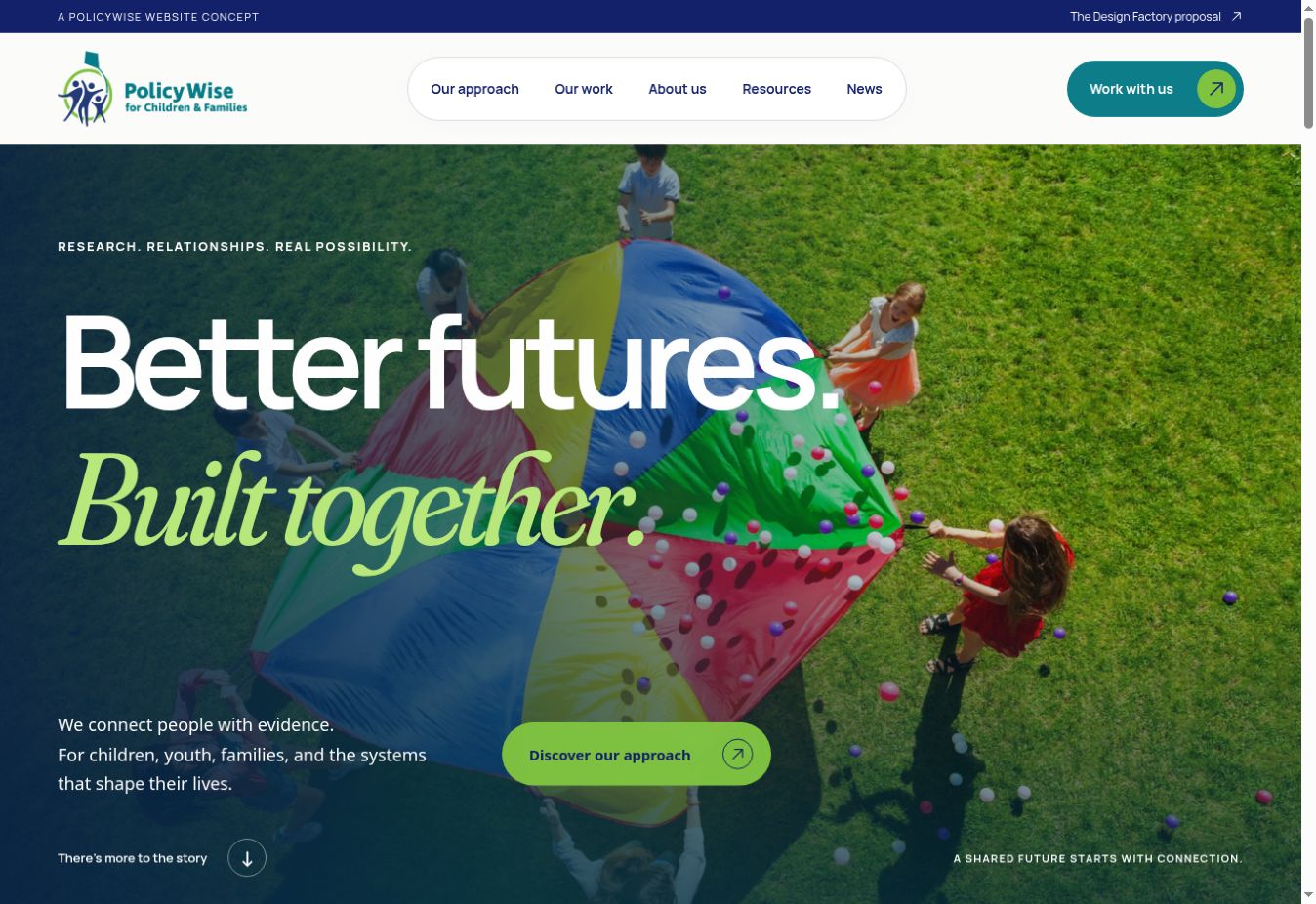
Capture of the working homepage01 / WORKING CONCEPT

Can I find my starting point?

Use “What brings you here?” to switch between research support, collaboration and resources.

Demonstrates audience-led guidance and clear onward routes.

Production adds validated messages, approved identity and managed content.

Try this journey
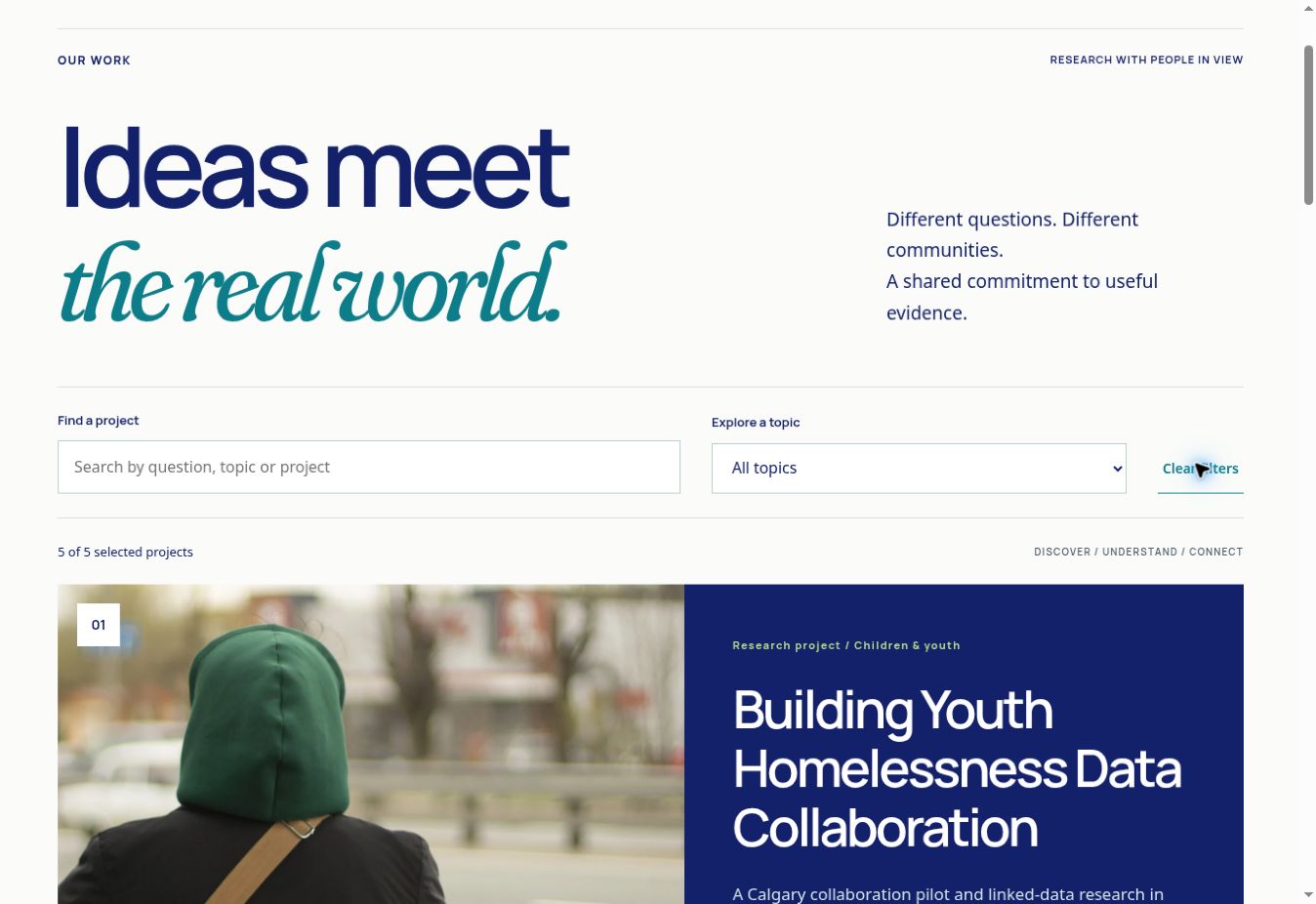
Capture of the working work collection02 / WORKING CONCEPT

Can I find relevant work?

Choose a topic, search the collection, try an unmatched term and clear the filters.

Demonstrates discovery and recovery when there are no results.

Production adds the approved inventory, taxonomy and CMS publishing.

Try this journey
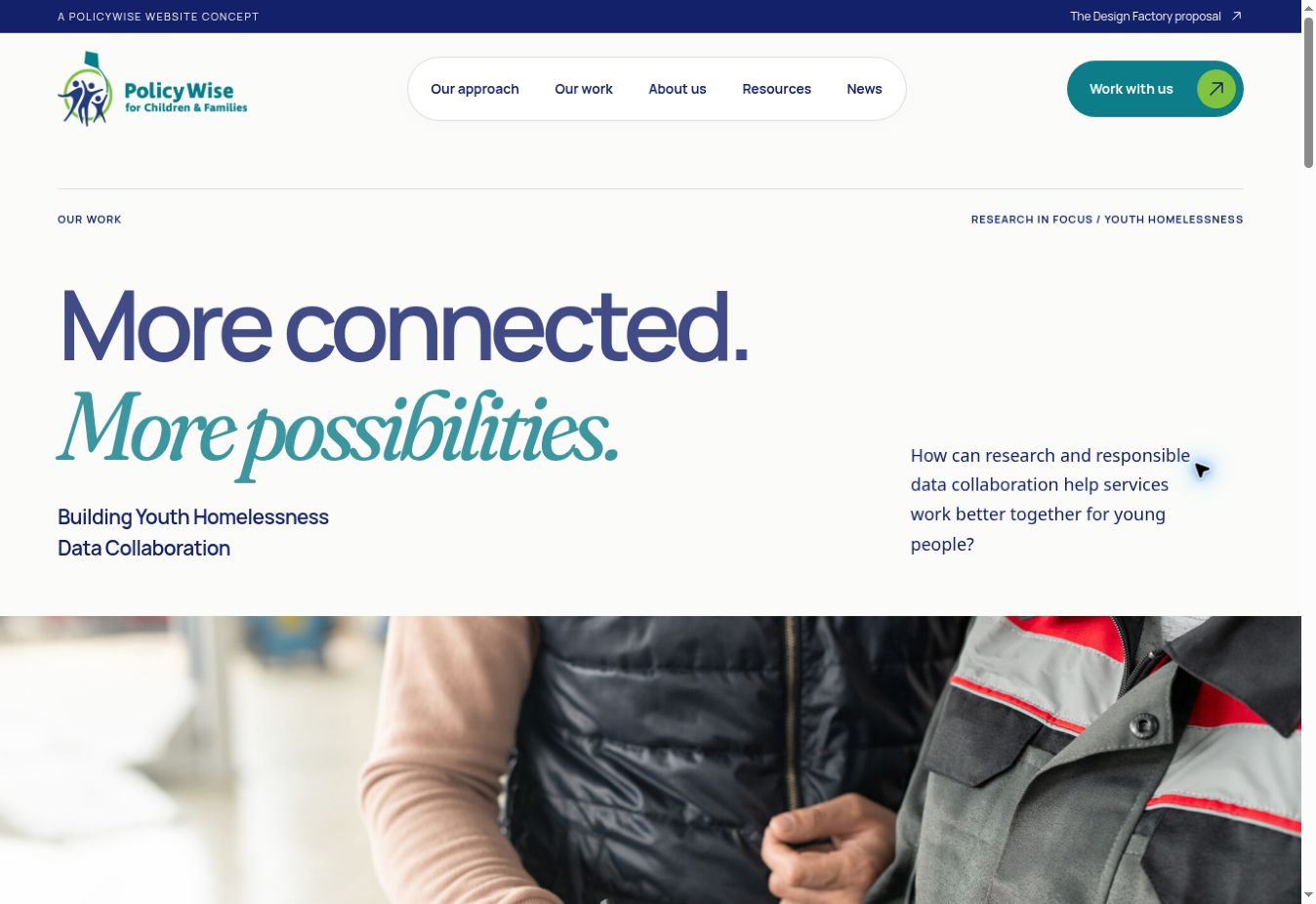
Capture of the working research story03 / WORKING CONCEPT

Can I understand the research?

Read the two lines of inquiry, then follow a link to PolicyWise’s published resources.

Demonstrates context, readable structure and a route to primary material.

Production adds subject-expert approval, source stewardship and editorial governance.

Try this journey

Continue to the staff publishing prototype to try editing, review and revision recovery. Production acceptance covers the configured CMS, migration and Canadian hosting evidence.

06 / RELEVANT WORK

Mission-driven work.
Delivered and maintained.

A public-information campaign demonstrates communication across formats. Three completed website engagements show digital delivery and staff-workflow experience, with the role and evidence stated for each. These are delivered capabilities, not claims of measured increases in engagement or revenue.

CITY OF DALLAS / PUBLIC-INFORMATION CAMPAIGN

One Day
Dallas.

A complex service change.
A message people could act on.

View the published campaign case ↗ (opens in a new tab)
01 / THE COMMUNICATION PROBLEM

Residents needed to understand a collection-day change, find their day and remember the new schedule.

02 / TDF’S CREATIVE CONTRIBUTION

Public-information campaign design, outdoor communication and visual hierarchy. Make the date and action prominent, then carry the same visual vocabulary into handouts and supporting information.

03 / THE EVIDENCE

The published case shows the campaign across outdoor and print formats. This demonstrates a consistent communication system; it does not establish a measured change in resident behaviour.

WHY IT MATTERS FOR POLICYWISE

The same discipline applies here: identify what the reader needs to understand, preserve the essential meaning and adapt the message consistently across reports, presentations, social content and the website.

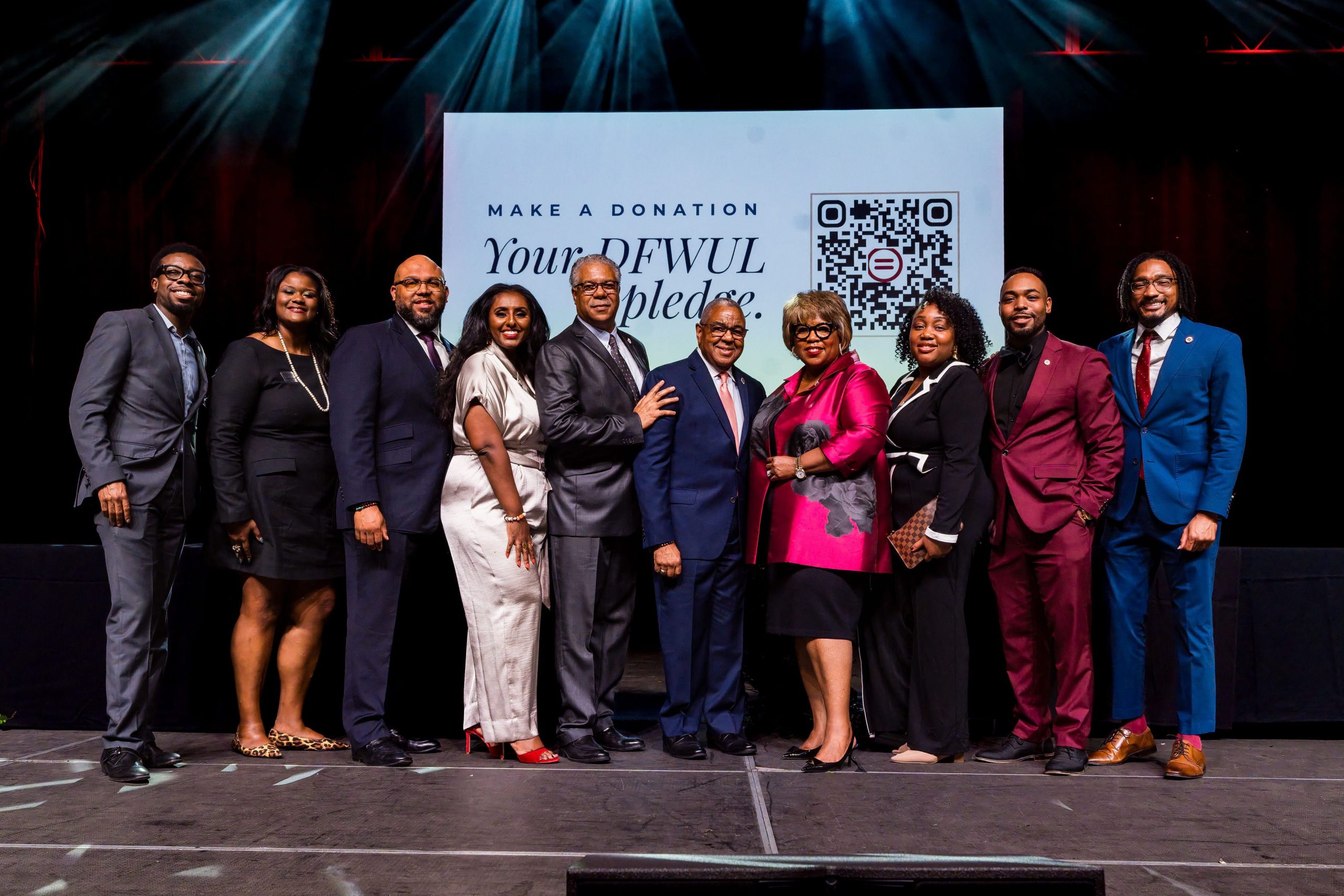
People at the Dallas-Fort Worth Urban League launch, from the organization’s website
IMAGERY USED ON THE CLIENT’S LIVE WEBSITE

PUBLIC WEBSITE + STAFF WORKFLOWS / 2026

Dallas-Fort Worth Urban League

The challengeConnect a broad regional mission to clear ways to participate and practical staff publishing.

Our contributionReplaced a basic Wix presence with a tailored website, branded opening video, community imagery and news, plus member, staff and leadership spaces.

Delivered resultMembers can reach programs, applications and events. Authorized staff have tools for submissions and communication; leadership has a dedicated home for board materials and organizational records.

For PolicyWise: a distinctive public story supported by practical, role-aware tools for the people keeping it current.

Visit DFWUL’s website ↗ (opens in a new tab)
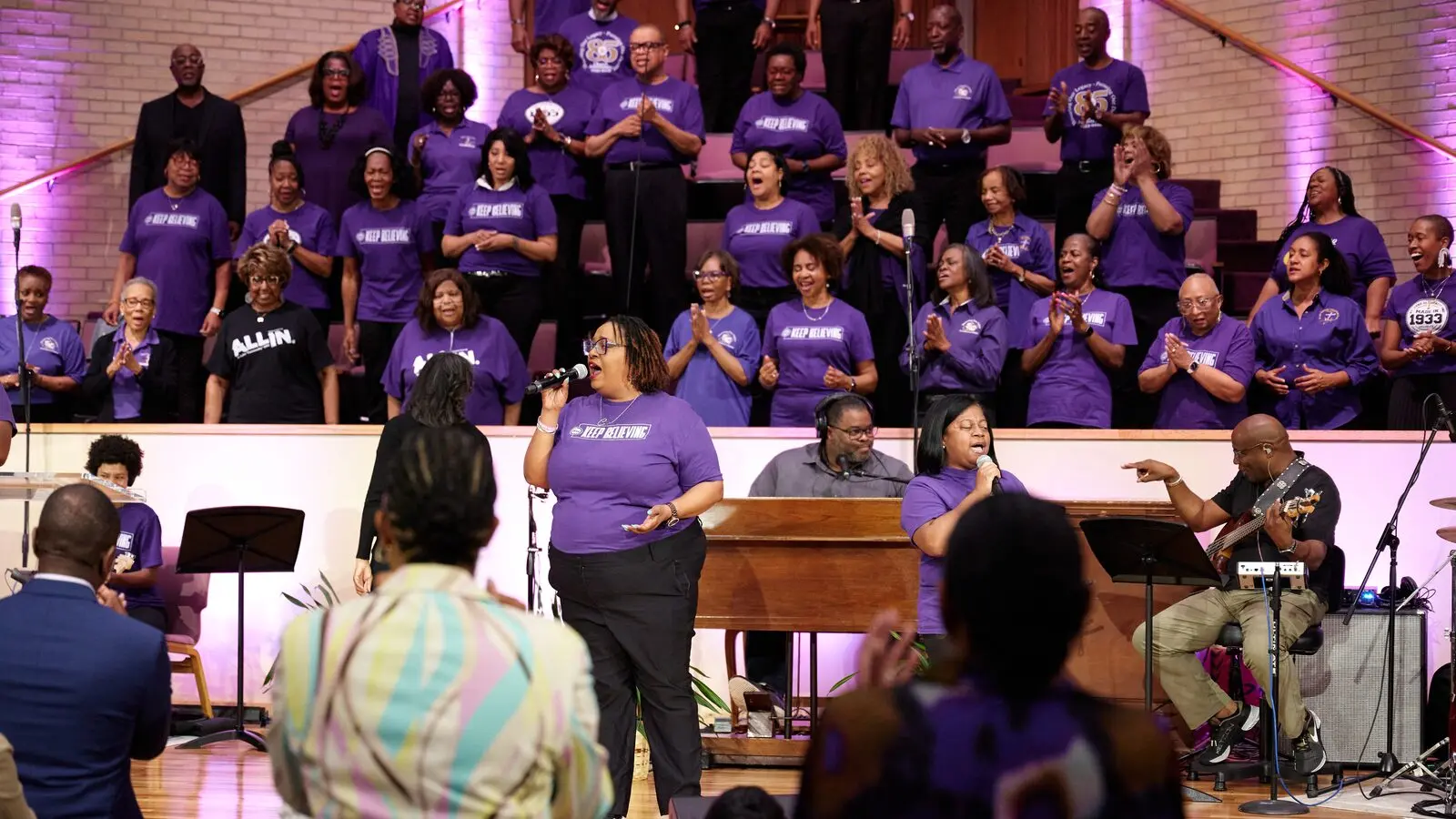
Worship at St. Luke Community UMC, from its live website
IMAGERY USED ON THE CLIENT’S LIVE WEBSITE

WEBSITE REBUILD + CONTENT CONTINUITY / 2026

St. Luke Community UMC

The challengeHelp a large community find its next step while preserving content and making routine updates manageable.

Our contributionRebuilt the website around worship, visits, events and giving, with mobile navigation, staff copy-editing tools and the searchable Lukebook business directory.

Delivered resultCongregants can search businesses, narrow by category or location, open profiles and use direct contact links. Worship, event and giving pathways connect everyday participation.

For PolicyWise: turn a collection of information into useful discovery routes, with clear detail pages and a meaningful next action.

Visit St. Luke’s website ↗ (opens in a new tab)

PROFESSIONAL ASSOCIATION WEBSITE / APRIL 2026

Code Enforcement Association of Texas

The challengeConnect members across Texas with training, registration, resources and relevant job information.

Our contributionReorganized a basic WordPress website around regional training, conference registration, careers and professional resources, with clearer mobile navigation.

Delivered resultMembers can find class dates, locations and registration links, explore job details and reach awards, scholarships and legislation. Launched April 2026, with continuing updates.

For PolicyWise: structure a growing knowledge collection around the questions that bring people back.

Visit CEAT’s website ↗ (opens in a new tab)

07 / YOUR DELIVERY TEAM

Senior involvement.
One accountable prime.

The Design Factory is a Black-owned, family-led studio based in Dallas, founded in 1996. Thirty years of brand, digital and communications practice underpin a direct working relationship with the proposed leads below.

Meet the studio and explore its published work ↗ (opens in a new tab)

01

Sederrick Raphiel

Creative & Brand Lead

Leads discovery and facilitation, positioning, voice and editorial review, creative direction, identity, templates and brand governance. Oversees client decisions and milestone quality.

Founder and Creative Director of The Design Factory since 1996, with a practice spanning graphics, photography and marketing.

02

Ari Raphiel

Design & Web Lead

Leads content planning and development, UX and interface design, CMS implementation, migration, hosting and data-flow documentation, accessibility implementation and testing, staff training, launch and support.

Designer and developer for DFW Urban League and St. Luke website and staff-workflow engagements, including content architecture, publishing controls, launch and continuing support.

Clear ownership at every milestone. The Design Factory is accountable for the complete programme, scope, schedule and support. Sederrick leads brand and editorial review; Ari leads implementation and verification. PolicyWise subject experts validate substantive content and its decision owner accepts each milestone.

The submitted team comprises Sederrick and Ari; no external subcontractor is currently engaged. If a specific issue calls for external advice, TDF will disclose the proposed provider, qualifications and task to PolicyWise before engagement. Required work within the agreed scope remains included in the fee.

A delivery plan you can inspect.

01

Two workstreams, clear review

Sederrick owns discovery, positioning, identity and editorial review. Ari owns content production, UX and technical delivery. Brand decisions lead design; approved content moves into build. Weekly planning limits simultaneous work and identifies the next decision needed from PolicyWise.

02

Visible progress every week

A shared delivery board records the owner, due date, acceptance evidence and dependencies for each milestone. Weekly reviews cover progress, capacity and risks. We will confirm the resourced calendar and holiday coverage at kickoff and replan early when a dependency threatens the March launch buffer.

03

Continuity beyond one person

Both leads maintain access to the project records and current handover notes. Sederrick is the alternate client contact; technical recovery follows the documented runbook. If specialist backup is needed, TDF will present a qualified replacement and transition plan for PolicyWise approval before access is granted.

04

Checks matched to the work

Editorial approval is separate from drafting. Accessibility and Canadian data-flow reviews produce a recorded issue log and acceptance evidence. Any external specialist will be disclosed with qualifications before engagement; required review within the agreed scope stays inside the CAD 138,000 fee. No external specialist is currently engaged.

08 / PRODUCTION & OWNERSHIP

A useful website.
A manageable next chapter.

We propose a custom website in the same React and TypeScript approach as this concept, paired with a purpose-built staff editor. Your team signs in to manage structured content, preview changes, request review, publish and recover earlier versions. Controlled templates protect the design while routine updates stay in your hands. PolicyWise owns the production accounts, source and content; discovery validates the supporting services, Canadian residency and maintenance plan.

Coloured pencils surrounding a child’s drawing of a kite
DESIGNED FOR EVERYDAY USEA system staff
can carry forward.

Clear templates, confident editing and useful guidance beyond launch.

Staff can publish with confidence.

Projects, news, people and core pages will use predictable fields, image descriptions, previews and revision history. Editors prepare content; publishers approve releases; administrators manage access. Your production login will use an agreed, PolicyWise-owned identity service. The custom editor is included in the CAD 138,000 professional fee.

Three live, recorded sessions cover CMS publishing, brand application, and governance/measurement. Guides support future staff as well as the launch team. Before public launch, TDF leads an internal brand introduction, rehearses real publishing and template tasks with staff, and records ownership and follow-up actions. A post-launch check-in addresses adoption questions.

The ecosystem stays connected.

Resources for Practice, Spark Guide, Board Portal and Softr remain external platforms. Discovery audits how people reach them and which handoffs require configuration.

Production includes an English-language website, preserved document links and retained-content redirects. Rebuilding external products and historical PDF remediation are excluded.

Why this custom approach fits the brief.

01

An experience shaped around PolicyWise

The public experience and staff editor will share one content model. Research, services, people and news get purpose-built fields and layouts, so everyday publishing follows your work rather than a generic page builder.

02

A deliberately lean foundation

We will use maintained components for established functions and add dependencies only where they serve an agreed need. This avoids a stack of unrelated page-builder extensions and reduces the update surface. Custom code still needs testing, security updates and maintenance.

03

Performance and usability, demonstrated

Optimized images, limited client-side scripting and reusable templates support a responsive experience. Before launch, we will agree and test mobile loading and staff-task measures. Faster publishing and easier upkeep are design goals to verify, not unmeasured claims about this concept.

04

An exit route built into delivery

PolicyWise receives the source, dependency and license register, content export, setup instructions and recovery runbook. At handoff we will rehearse a clean deployment and restoration, so a qualified React/TypeScript developer can take over without a proprietary TDF platform subscription.

TRY THE STAFF EXPERIENCE

A small update.
A clear path to publication.

Edit the sample, inspect the preview, complete the reviewer checks and restore an earlier revision.

Publishing workflow prototype. Changes stay in this page and reset on reload. This interactive sample demonstrates the proposed workflow. Use sample content only.

  1. 01Draft
  2. 02Preview
  3. 03Review
  4. 04Publish in demo
Research pageEDITOR VIEW

Selected sample image
Controlled asset library in production

Page previewDRAFT / UNREVIEWED
A small group considering information together at a laptop

RESEARCH & COLLABORATION

Learning through data collaboration

Explore published learning from a Calgary collaboration pilot, with context and a route to the original community report.

Calgary community report (opens in a new tab)

REVIEW & ACCEPTANCE

Try changing the title, then preview your draft.

Revision history 1 version
  1. Revision 1 / original sampleLearning through data collaboration
Ownership beyond launch. We will provide the website and editor source, structured content exports, deployment instructions, role and content documentation, and a tested backup/recovery process. Established content and identity components will support the custom interface. Routine staff publishing is supported by training; ongoing technical maintenance after the 90-day support term is documented for your team or an appointed maintainer and priced separately if retained with TDF.

Canadian residency, service by service.

ServiceOwnership & decisionEvidence before selection
Website & CMSPolicyWise-owned accounts; TDF configures the approved environment.Canadian production storage, relevant processing locations, support access and vendor terms.
Backups & recoveryPolicyWise owns the backup policy; TDF configures and rehearses recovery.Backup location, retention, access and a successful restore test.
Forms & newsletterSelect with PolicyWise after auditing existing WordPress list management.Data flow, storage/processing, consent, retention, exports and deletion behaviour.
Analytics & reportingAudit the existing Google Analytics property before agreeing the measurement setup.Reconcile the selected service and configuration with residency and privacy requirements; do not assume current settings qualify.

Canadian data residency is a delivery requirement for the website and recommended tools. Discovery maps data flows against PolicyWise’s privacy statement and applicable federal and provincial requirements; the map controls vendor selection and configuration. The examples below show how this requirement guides actual configuration and acceptance. TDF remains responsible for its applicable Canadian contracting and administrative obligations.

A concrete Canadian production option

Candidate architecture

Our starting option is PolicyWise-owned hosting in an OVHcloud Canadian region, with the application, content database and uploads in Canada and an encrypted backup in a separate Canadian location. OVHcloud operates facilities in Quebec and Ontario; the precise products and configuration must pass the checks below before selection.

OVHcloud's Canadian locations ↗

Selection evidence

Before purchase, TDF will provide a service register covering storage, processing, logs, backups, support access, subprocessors, retention and deletion. This includes identity, forms, newsletter delivery and analytics. Canadian server location alone is not sufficient evidence of compliance.

Administrative access

TDF is based in the United States. Any cross-border administrative access must be explicitly assessed and approved by PolicyWise. If Canadian-only access is required, we will propose qualified Canadian operational support before platform approval. We will not assume that remote access or a vendor's default settings meet the requirement.

Approval before production

PolicyWise approves the documented service map, vendor terms and operating costs before production data is introduced. We then verify the selected regions, access restrictions, backup restoration and account ownership. The demonstration site is separate from this proposed production environment.

FOLLOW THE INFORMATION

Every field has a purpose.
Every handoff has an owner.

An illustrative production data map, to be agreed with PolicyWise before tools are selected. No data is collected by this demonstration.

Respond to a prospective client’s question.

  1. 01Visitor submits inquiry
  2. 02Approved Canadian form service
  3. 03Authorized PolicyWise recipient
  4. 04Retention review & deletion
Collect only what is needed
Name, reply email, optional organization and a short inquiry. Explain that case records and sensitive personal details should not be submitted.
Verify where it travels
Validate form processing, database, spam controls, notification email, logs and backups. Avoid including the full inquiry in notification emails where a secure inbox can be used.
Control who can access it
Named PolicyWise recipients, role-based administration and time-limited TDF support access. No public access or onward reuse for marketing.
Define retention and deletion
PolicyWise approves the retention period and trigger at discovery. Configure inbox and form-store deletion together; document legal holds, backup expiry and responsibility for requests.
Acceptance evidence

Test an inquiry end to end, inspect the actual storage locations, verify restricted access, then demonstrate export and deletion.

Delivery requires Canadian residency for the website and recommended tools. Vendor documentation, contracts and configuration must substantiate the complete flow, including processing, support access and subprocessors. Retention periods and service selections remain decisions for discovery.

See the acceptance evidence and handoff

Accessible experienceDelivery requirement: WCAG 2.1 AA. Provide a documented conformance review, with automated and manual keyboard, focus, forms, zoom/reflow and assistive-technology checks. Record tested routes, issues and resolutions.

Content continuityApproved inventory, page-owner signoff, working source and document links, retained-URL map and verified redirects.

Reliable operationCurrent browser/device checks, agreed performance measures, integration tests, backup restore and rollback rehearsal.

Staff independenceObserved editing tasks, recorded sessions, written guides, account ownership and source/design-file handoff on payment.

Findability & measurementKeyword and audience-language research, unique titles and metadata, semantic structure, internal links, XML sitemap, appropriate structured data and accurate source attribution. In response to the RFP, explain entities, authorship and sources to support accurate representation in AI-powered search. Establish a baseline for contact actions, resource use and task success.

A brand that works after the workshop.

Routine updates: staff use approved report, presentation and social templates.

New campaigns or core messages: a named PolicyWise brand owner reviews the work.

Exceptions: a short decision log records what changed, why and who approved it. The shared asset index identifies current files and owners. Brand standards cover positioning, voice, logo use, colour, typography, imagery and accessible application. Channel guidance defines the role of the website, social media and newsletter, with practical content themes, cadence recommendations and approval rules.

09 / THE DELIVERY PLAN

Connected workstreams.
Clear decisions.

Start 26 October 2026. Launch 8 March 2027, with a buffer before the 31 March fiscal-year deadline. Work overlaps when its controlling decisions are approved.

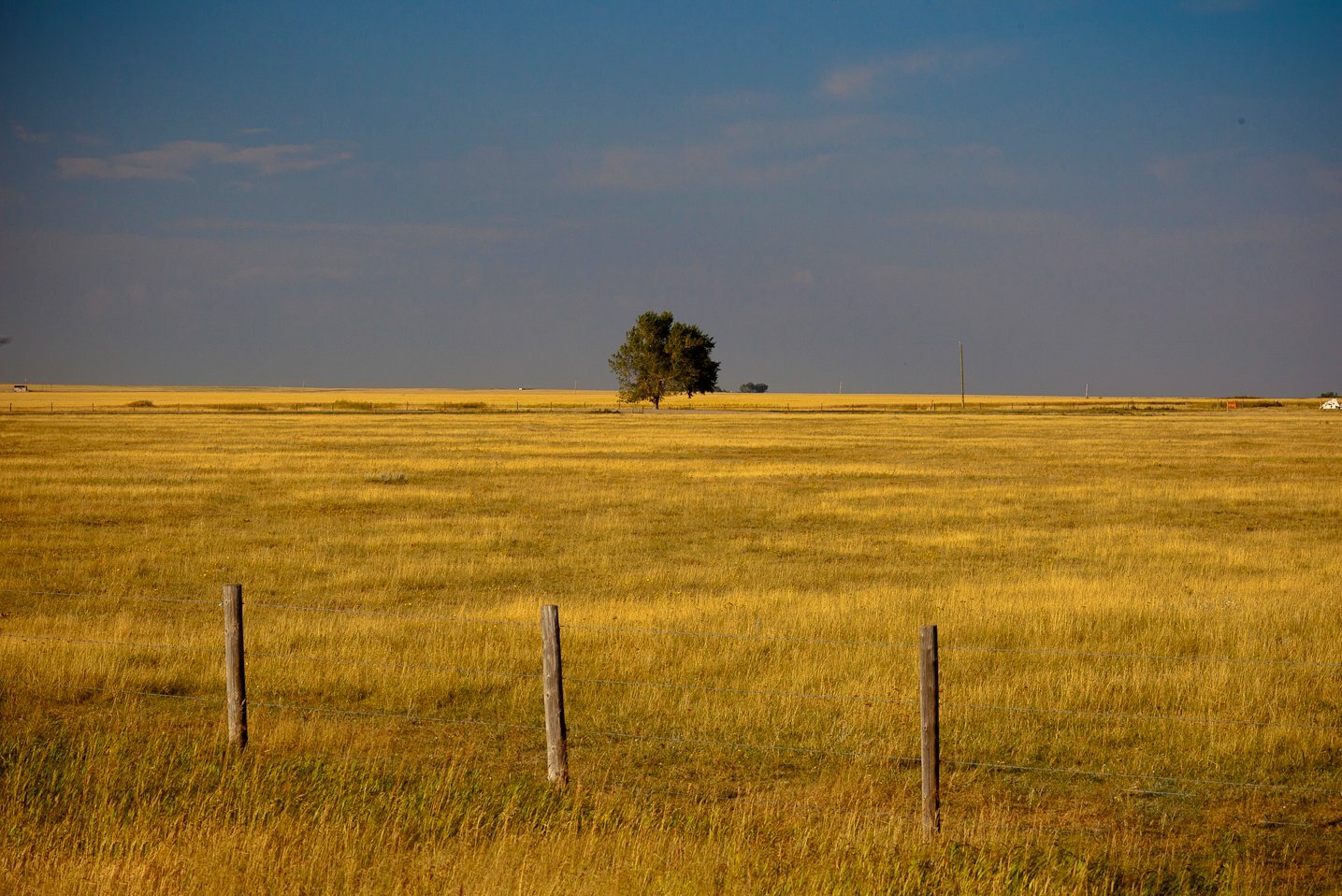
Wide golden prairie beneath a blue Alberta sky
Room for the
next chapter.
26 OCTOBER 2026 → 8 MARCH 2027
0126 Oct – 20 Nov

Discover & align

Strategic-material review, interviews, current tools, analytics and content audit.

Decision gateApprove the brief, audience priorities, inventory and residency criteria.

TDF coordinates research; PolicyWise supplies materials, introductions and a decision owner.

029 Nov – 18 Dec

Position & define

Positioning, message hierarchy, identity directions and selected-system refinement.

Decision gateApprove the brand platform and identity direction before detailed production.

TDF develops and tests; PolicyWise consolidates brand feedback.

037 Dec – 29 Jan

Write & design

Core copy, news cleanup, page prototypes, three early usability sessions and reusable brand templates.

Decision gateResolve early journey findings before approving page content and priority templates; schedule holiday reviews in advance.

TDF writes and designs; PolicyWise subject experts validate meaning and sources.

044 Jan – 19 Feb

Build & migrate

Approved Canadian environment, custom website and staff editor, content import and URL mapping.

Decision gateAccept content completeness, staff editing and external-platform handoffs.

TDF implements; PolicyWise grants accounts and reviews migrated content.

0522 Feb – 5 Mar

Rehearse & approve

Three validation usability sessions, accessibility and browser testing, staff training and recovery rehearsal.

Decision gateResolve release blockers and record a named launch approval.

TDF verifies and fixes; PolicyWise completes user acceptance.

068 Mar + 90 days

Launch & support

Managed release on 8 March, final acceptance and handoff by 26 March, and 90 days of defect support and adoption follow-through.

Decision gateRecord final acceptance by 26 March; support continues for the full 90-day term regardless of final invoice timing.

TDF supports delivered scope; PolicyWise owns accounts and day-to-day publishing.

The schedule assumes timely access, a named PolicyWise decision owner and consolidated feedback normally within five business days. Agree holiday review windows at kickoff; the named leads own the proposed delivery schedule. If dependencies change, replan before consuming the launch buffer. The 90-day support period continues after launch.

10 / THE INVESTMENT

The complete programme.
The cost, in view.

PROPOSED PROFESSIONAL FEECAD $138,000

Excludes applicable taxes and third-party recurring costs. Subject to final scope and agreement.

Discovery & engagement

Research and digital audit, 12 interviews, two workshops, synthesis and decision brief.

Owns research and strategic findings; content production is allocated below.

CAD $22,000

Brand strategy & identity

Positioning, voice, three identity directions, one selected system, two refinement rounds, governance and three template families.

Reports, presentations and social templates; campaign production is separate.

CAD $30,000

Content strategy & development

Inventory, page briefs, publication-ready copy for up to 30 core pages, two consolidated review rounds; cleanup and taxonomy for up to 70 news items.

Owns writing and editing. Substantial news rewrites are assessed at the inventory gate.

CAD $23,000

Website design & development

Up to 10 responsive page templates, a custom staff editor with secure login, drafts, previews, review, publishing, revisions and content export; accessible components and external-platform handoffs.

Owns design and implementation; final content import and release verification are allocated below.

CAD $35,000

Accessibility, migration & launch

Content import, retained-URL mapping, redirect checks, six usability sessions (three early, three before release), manual and automated accessibility testing, release and rollback rehearsal.

Verification and remediation of delivered scope; historical PDF remediation is excluded.

CAD $15,000

Training, adoption & support

Three recorded live training sessions, brand rollout, staff guides, 90-day delivered-scope defect support and 15 hours of minor adjustments.

New features and ongoing support after 90 days require a separate agreement.

CAD $13,000
Total professional feeCAD $138,000

Ownership costs.

Planning allowance: CAD $3,600–$6,000 annually for hosting, backup/security and core software, subject to residency validation and provider quotes. Newsletter costs depend on volume. No vendor pricing or tax treatment is guaranteed.

Scope boundaries.

Travel, translation, substantial new photography/film, external-platform rebuilds, historical PDF remediation and additional features/volumes are separate. Any specialist advice required to deliver the agreed scope is covered within these workstreams; it is not an automatic surcharge.

Support and changes.

90 days cover defects in the delivered scope, plus up to 15 hours of minor adjustments. New functionality, substantial new content and support beyond the term require a separate agreement.

Discovery validates the inventory. Any proposed change to scope, cost or timing needs written agreement before additional work starts. Final commissioned design files, approved content and website source transfer on payment, subject to third-party licenses.

Infrastructure, optional care and the total-cost comparison

Infrastructure allowance

CAD 3,600-6,000 per year is the existing planning allowance for hosting, backup/security and core software. TDF will itemize provider, service, billing frequency, currency and renewal assumptions before platform approval. It is an allowance, not a vendor quote.

Optional technical care

Optional TDF care after the included 90 days: proposed CAD 400 per month, covering up to three hours of scheduled technical care. This includes dependency/security updates, backup and monitoring review, and a quarterly restoration check within that allowance. Scope and response arrangements are agreed separately; this is not 24/7 incident coverage. Additional work requires prior approval.

Compare the full commitment

For comparison, the CAD 138,000 project fee plus one year of the infrastructure allowance totals CAD 141,600-144,000. A full additional year of optional TDF care is CAD 4,800, making that comparison CAD 146,400-148,800. Taxes, volume-dependent newsletter services and separately approved extra work are excluded. Actual billing follows service activation and the end of included support.

PolicyWise may appoint another qualified maintainer. Production accounts, exports and handover documentation belong to PolicyWise; purchasing ongoing TDF care is optional.

Proposed payment gates.

  1. 20%KickoffCAD $27,600
  2. 25%Brand approvalCAD $34,500
  3. 25%Prototype & content approvalCAD $34,500
  4. 20%LaunchCAD $27,600
  5. 10%Final acceptance & handoff by 26 MarchCAD $13,800
March handoff. The full support term.

We propose final acceptance, handoff and the remaining CAD $13,800 invoice by 26 March 2027, before the 31 March fiscal-year boundary. The full 90-day support commitment continues after launch, including the agreed minor-adjustment allowance. Final payment does not shorten that commitment.

PolicyWise’s finance team must confirm that the proposed invoicing and acceptance arrangement meets its funding requirements. The final agreement will record the accepted schedule and support obligations.

A family walking together beside the water

LET’S TALK ABOUT WHAT COMES NEXT

A considered direction.
A practical way forward.

Explore the working concept, then let’s talk about the possibilities for PolicyWise.